
EVERY ITEM NEEDS A PLACE
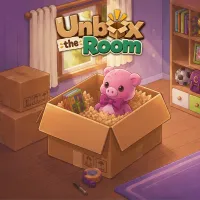
Unbox the Room begins with cardboard boxes and a room that must be organized according to logical placement rules. Books belong on shelves, kitchenware fits around the kitchen and clothing can be placed in drawers or wardrobes. The objective is to unpack each collection of belongings and arrange every item in a suitable space.
A completion check identifies misplaced objects by making their locations glow red. This provides direct feedback when an item needs to be moved without adding timers scores or meters. Once the room is complete another living space opens with a new set of boxes and possessions.
Click To Unpack And Place
Click a package to take an object from the box. Move the cursor to select a suitable position in the room then click again to set the item in that place. The controls focus on selecting an item and choosing where it belongs.
Creative arrangement is possible as long as the objects follow their placement rules. Review the room after setting each item and use the completion check to find placements that do not fit. Unbox the Room uses this simple process across every home and collection.
HOMES ACROSS DIFFERENT YEARS
The moving phases run from 1997 to 2018 and follow an unseen woman through different stages of life. The first page is set in May 1997 while later rooms represent new homes and changing circumstances. Childhood bedrooms lead into university spaces, shared apartments and later homes with new responsibilities.
Each room presents belongings that relate to the point in life shown by that space. Interests, relationships , ambitions and personal milestones are revealed through the possessions that appear in the boxes. Some items disappear between moves which can also act as clues to personal changes.
Possessions Tell The Story
The story is presented through rooms and objects rather than conventional dialogue. A collection of belongings can show a hobby, career interest or relationship without directly explaining it in text. Moving through the years adds new spaces while the arrangement task remains based on unpacking and observation.
This structure connects the act of placing an item with the timeline of the character. Each completed room reveals a later stage and another group of possessions. The focus stays on what is present in the new home and what has changed since the previous move.
SOUNDS AND SMALL DECORATIONS
Ceramic clinks book thuds and clothing rustles provide distinct sounds during the arrangement process. Every belonging has its own tactile response when handled. Small decorations across the rooms add visual detail to the spaces being organized.
These details support the object based structure of the game. The sounds help distinguish types of belongings while decorations make each room look naturally lived in. There are no score systems or time limits attached to completing the placement task.
An Object Based Life Timeline
Unbox the Room combines a sequence of homes with a clear organizing rule for every item. Open boxes place belongings in suitable locations and use the red completion feedback to correct any object that does not fit.
Follow the changes between rooms and organize the next collection in Unbox the Room.